What is Core stability? Lower back pain affects 80% of the population at some point in their life. Although an episode of lower back pain may settle in 4 to 6 weeks, the deep abdominal muscles remain impaired which can lead to reoccurence and reoccurrence of low back pain. Specific exercises that retrain these deep abdominal muscles after injury are thus important for prevention of reoccurrence and exacerbation. Core stability is defined as “the ability to control the position and motion of the trunk over the pelvis to allow optimum production, transfer, and control of force and motion to the...

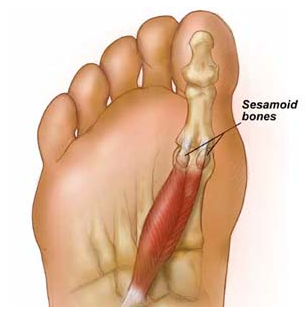
A complaint among many runners recently has been that of big toe sesamoiditis. What is sesamoiditis you ask? Sounds more like a seasoning for a chicken stir fry if you ask me. Let me help break this down for you. ‘Sesamoid’ is a type of bone and ‘itis’ by definition means inflammation. Thus, the condition is inflammation of the sesamoid bone or bones. There are two sesamoid bones about the size of popcorn kernels based underneath the big toe sitting within two tendons. Sesamoid bones unlike regular bones sit within muscles or tendons, rather than meeting at a joint with...
Perhaps it could be a ‘cervicogenic’ headache. This is another term to describe a headache that originates from the neck due to damage or dysfunction of its components such as the bones, facet joints, soft tissue, ligaments, discs. Prolonged postures or repetitive movements of the neck can put stress on these structures over time and cause trauma. When this happens, pain can be referred to the head, causing headaches.The causes of this trauma causing cervicogenic headaches may be traumatic, for example from a car accident or heavy lifting, or develop progressively over time. There are may common causes we see...
I’m sure we all either know or have heard of someone that does or has tried CrossFit, and quickly become obsessed with WODs, thrusters and ‘Do you even?’ memes. It’s a sport that’s come under so much scrutiny due to it’s popularity, and has copped a LOT of flack. Injuries, cult behaviour, no focus on form just get the bloody bar up whatever it takes. I’ll admit to being one of those physios that rolled my eyes when someone said they did CrossFit, ‘‘Come see me when you hurt yourself’. But I got talking to a guy I respected one...
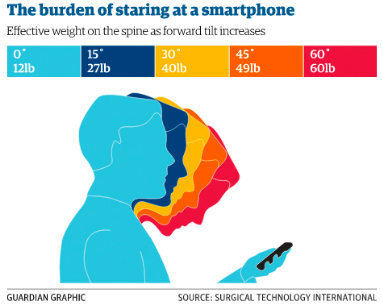
[et_pb_section bb_built=”1″ admin_label=”section”][et_pb_row admin_label=”row”][et_pb_column type=”4_4″][et_pb_text admin_label=”Text”] Text Neck – With the increasing popularity and everyday use of smartphones, laptops and tablets amongst the population, there has been a major surge in people reporting headaches, neck pain, arm and shoulder blade pain – hence the term ‘Text Neck’. This scenario may sound familiar to many of you! All you have to do is look around on the train and everyone is using some sort of mobile device! It may be time to take notice of how much time you spend on your mobile devices each day. The problem with using these...
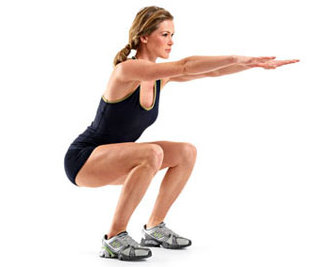
Squat Myth – Knees Stay Behind Toes A common myth has percolated around the fitness industry for a while now; physios, trainers etc, telling clients to keep their knees behind the toes while squatting. The thought process behind this being it puts more pressure on the knee joint, and increases the chance of injury. For the most part this is untrue. The knee can handle a lot of load, and as a rule of thumb, squats and lunges with knees past toes aren’t going to put the healthy knee at risk. For those with anterior (front of the knee) pain,...
That’s not exercise! There was a cartoonish bead of sweat forming on my temple as I straightened my leg yet again and tried to recall what series of events had led me to be lying on my side in a Pilates studio with my buttock feeling like a rusted Hills Hoist. I hadn’t lost any bets recently, and I don’t think I’d just tripped and fallen out of the clinic and across Anzac square and a block down Ann Street onto a Pilates Reformer. Overwhelmingly the most likely answer was that in another health and team-building endeavour, Queen Street Physiotherapy...
Running is arguably one of the greatest forms of exercise available. It’s free, it’s invigorating, and just about anyone can do it. However, an approximate one third of runners will experience a running related injury at some point in their lives, and in a lot of cases, these injuries are preventable. The majority of running related injuries (approximately three quarters) occur in the lower leg; that is the knee, shin, ankle or foot. While some injuries are minor and easily dealt with (such as blisters or bruises caused by falls), others are more serious and will require lots of rest...
When it comes to treating sports related injuries, it goes without saying that prevention is better than treatment. Not only for the betterment of your muscles and ligaments, but also your lifestyle. Sports related injuries can lead to a potential loss of income — if the injury is severe enough to require time off work — as well as the inability to perform your normal daily activities, however there are a number of precautions you can take to stop you suffering such loss. Here’s 5 tips to prevent sport injuries, because let’s face it, prevention is better than treatment. Warm...
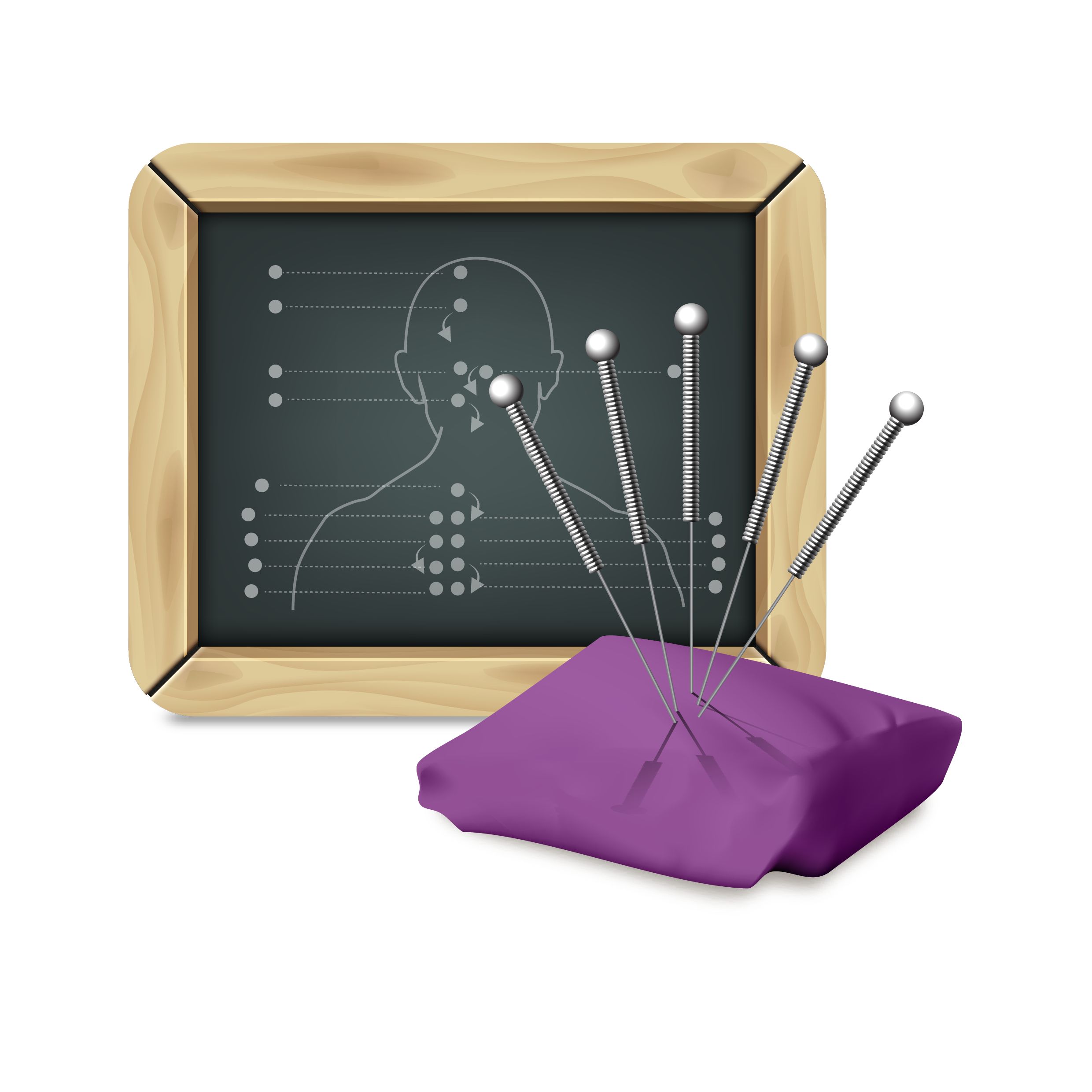
Acupuncture and dry needling both involve needle therapy to treat pain, but they’re very different practices. To clarify the differences, we’ve outlined the two therapies below. Acupuncture, a 5000-year-old practice, originating in China and certified as Traditional Chinese Medicine. A form of alternative or complimentary medicine, acupuncture requires fine needles to be inserted into specific pathways along the body called meridians. Acupuncturists believe chi runs through the body via 12 meridian pathways that are linked to internal organs. Fine needles are inserted at points along these pathways to redirect the flow of the energy, which then alleviates pain, stress and...