5 Chronic Pain Myths Chronic pain, or pain that sticks around for longer than three months, affects one in five Australians. We have all experienced pain. Think of the last time you stubbed your toe, got a paper cut, or burned yourself on the oven. It is certainly not fun, but it usually goes away quite quickly. Imagine though, what it would be like to have pain that does not go away and is there every single day — that is chronic pain. Myth 1: Pain is all in your head A common misconception is that some people are only...

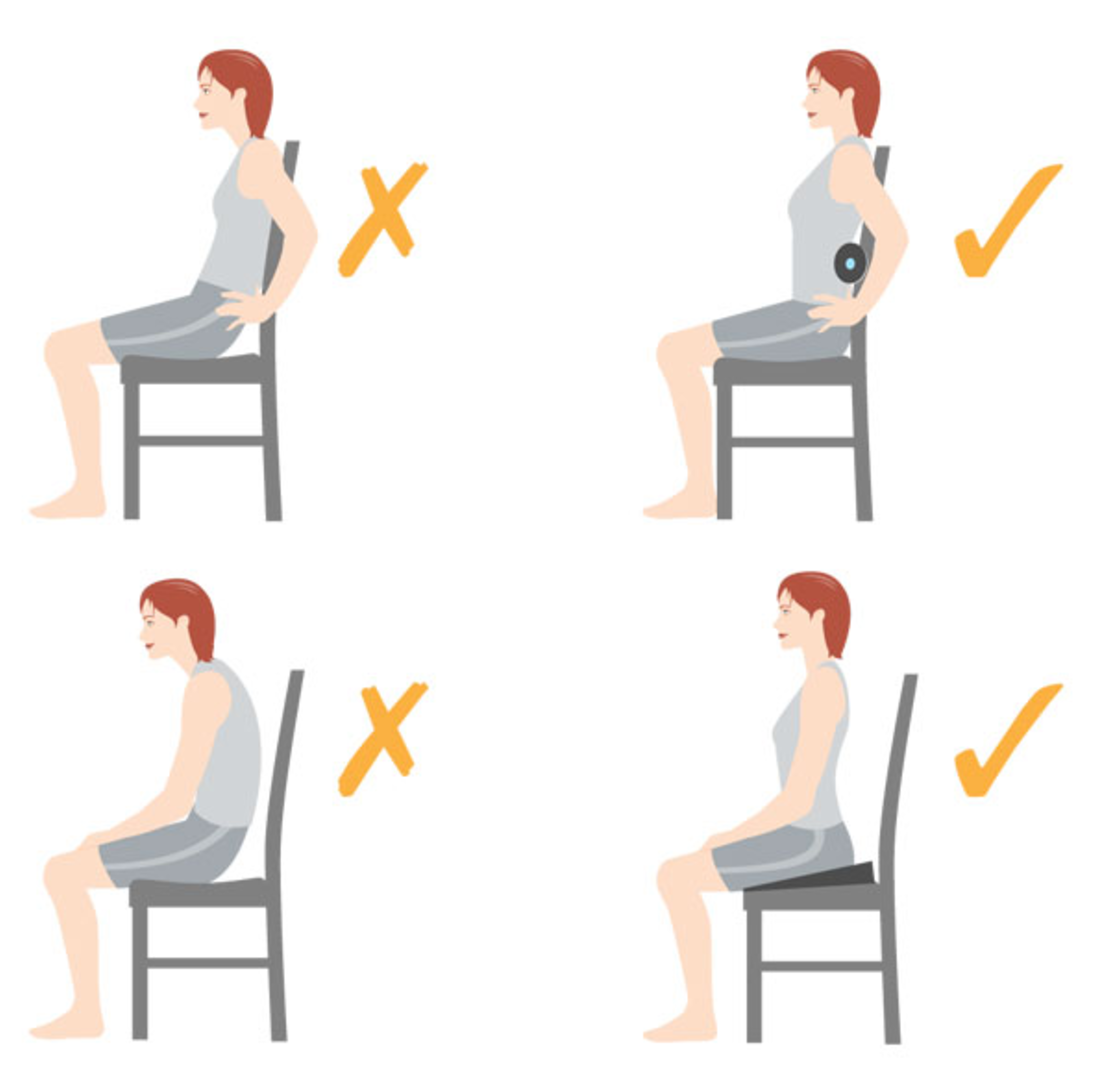
Must we sit? Have you ever considered how much sitting you do on a daily basis? How much of this is optional sitting and how much is non-optional sitting? The idea of optional sitting and non optional sitting first caught my eye in a book I started reading called, Deskbound, which was written by a Physical Therapist in America named Kelly Starrett and published in 2016. For those of us who spend a significant portion of our day sitting, this is a great way to really consider how much time we spend sitting and recognize this and take action to...
Adequate and appropriate recovery is essential for allowing the body to adapt to training loads, repair its self and prevent injuries. If you are working your body like an athlete, you must also recover like an athlete! Nutrition – Inadequate energy intake will leave your body unable to replenish energy stores and repair and build tissue to attain your training goals. Proper nutrition helps to maintain blood glucose during exercise, maximise performance and improve recovery time. Tip: Ensure you have adequate carbohydrate and protein intake in your diet. Immediately after exercise consume high glycemic index (GI) carbohydrate foods. Hydration – Fluids and electrolytes...
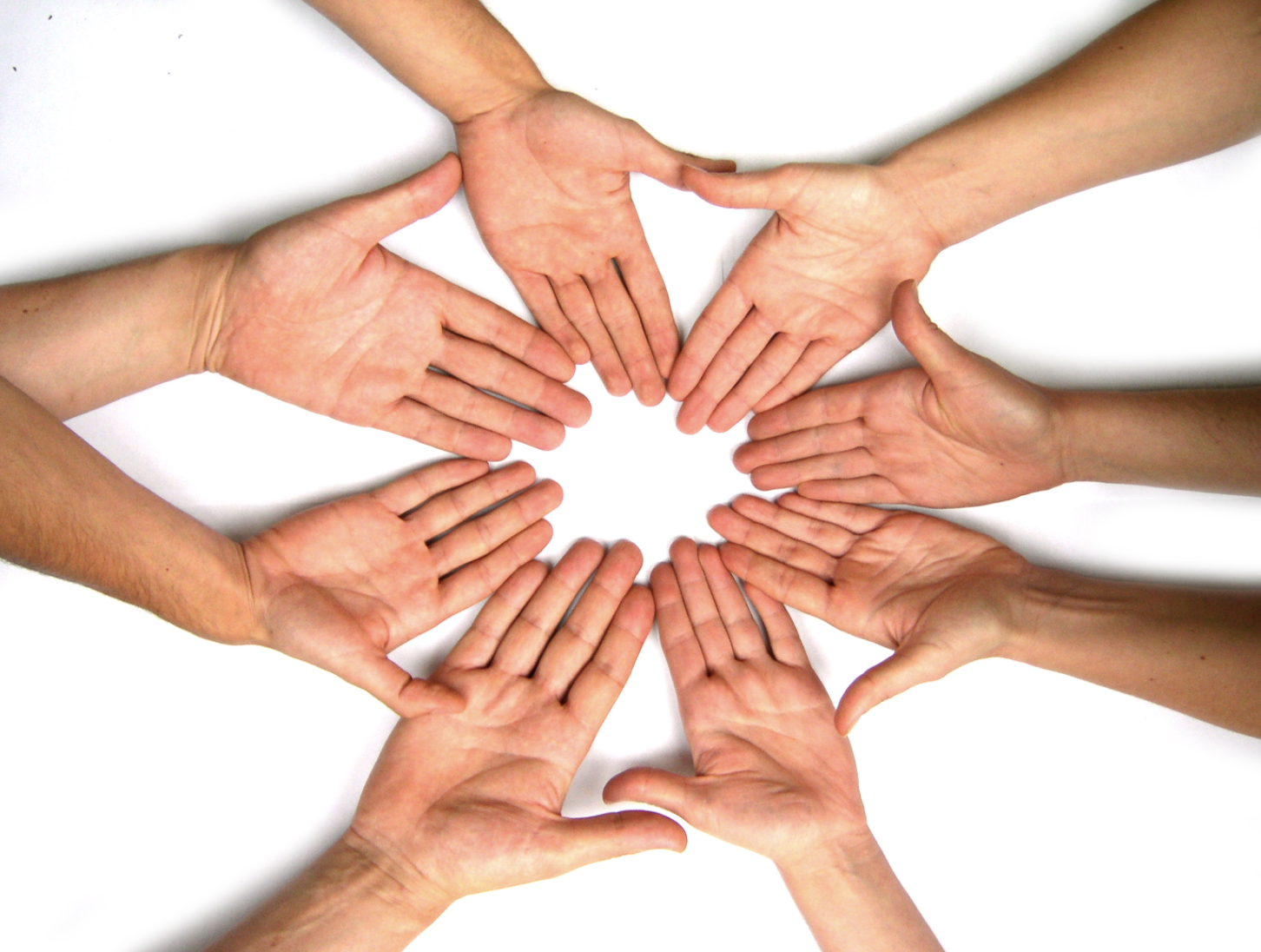
Do we look after our hands enough? Firstly, if we take a look at the wrist, it contains many small bones neatly joined together by ligaments. This area is commonly referred to as the Carpus. The other end of the carpus is where our finger and thumb bones join, our metacarpals and the ends of our fingers called phalanges. Our thumb contains a proximal and distal phalanx, and the 2nd to 5th digits contain a proximal, middle and distal phalanx. Each joint of the hand shares ligaments that help maintain the stability of the joint by connecting two bones together....
With 24/7 gyms popping up all over the place, the health department increasing their emphasis on exercise promotion, everyone trying to get their beach bodies set for summer and the warm weather making any kind of exercise that bit more appealing, more and more people will start hitting up the gym and pounding the pavement. As everyone begins to emerge from their winter exercise hibernation, we will slowly see the usual suspects start to fill the clinic: The Hibernators: Now that you can go for a run without fear of frostbite or getting drenched, there will be plenty of people...
Lower back pain, what does it mean? Lower back pain is an extremely common problem assessed and treated by physiotherapists on a daily basis. It is estimated that around 80% of the population will experience lower back pain in some form during their life. It is a far too common occurrence for people to panic and assume the worst when they experience pain in their lower back, when in fact the prognosis for a diagnosis of acute nonspecific low back pain is excellent. An individual’s attitudes and beliefs towards their lower back pain will directly affect their recovery and outcomes....
The Golf Swing The golf swing is a complex series of movements, and many golfers are limited by their physical capabilities to perform these movements, whether it is due to poor coordination of their body segments, lack of adequate flexibility, or lack of appropriate control and strength. Our Physiotherapists at QSP can identify these physical restrictions and implement an appropriate program to address them. By eliminating these physical restrictions you will improve your capability to swing the club better. The way we posture and move ourselves on a daily basis can affect the ability for our bodies to work optimally in...
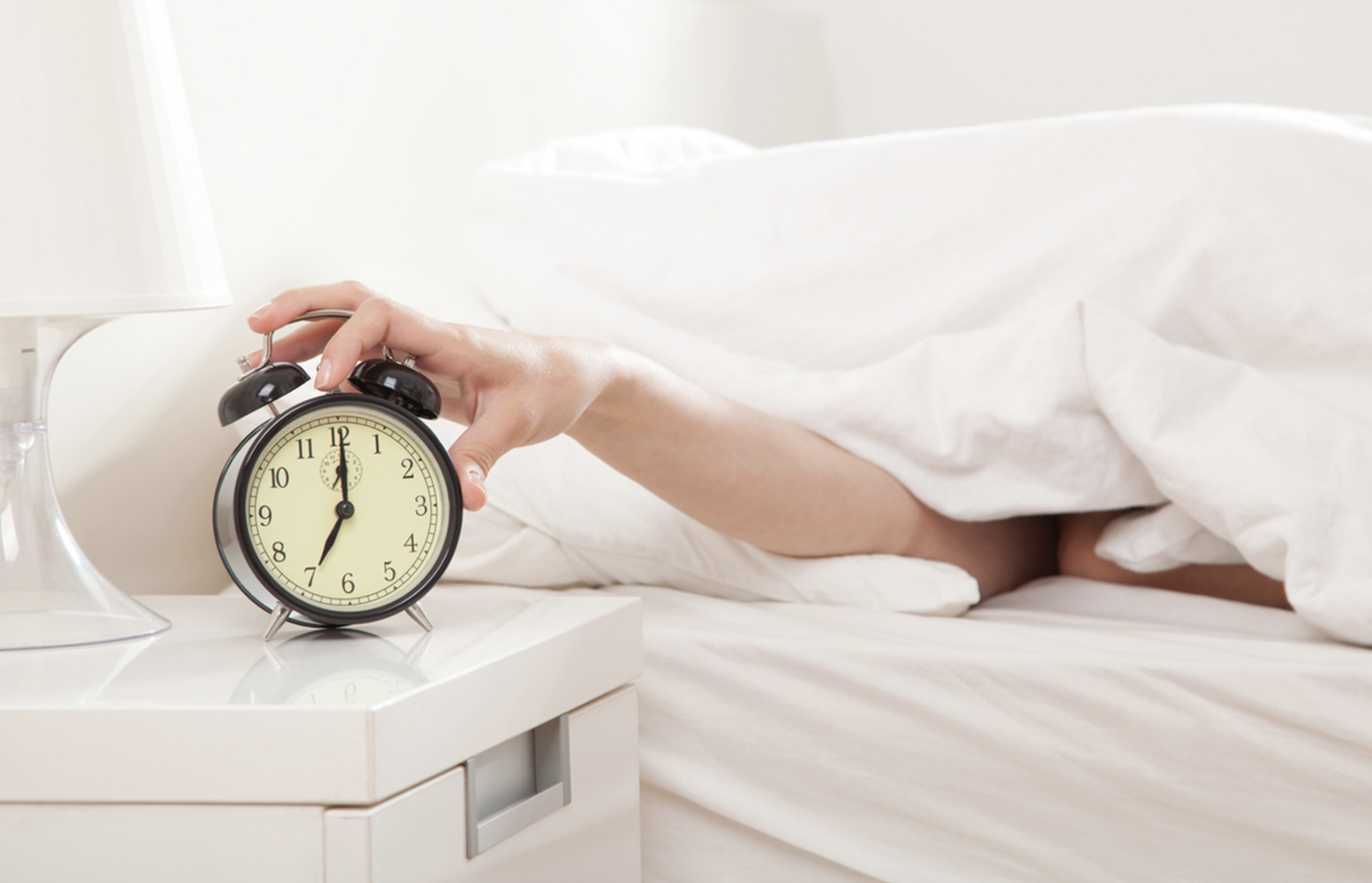
Sleep could be influencing your pain and more…. Whatever the reason, ongoing pain, crying babies, iPhone addictions, snoring partners, increasing work demands and constant worries. We have all woken up on the ‘wrong side of the bed’ more sensitive to certain things, our kids nagging us, barely able to get ready for work and function through the day. Interestingly the effects of ongoing sleep issues are much more detrimental to our health than just feeling constantly tired. Firstly, take pain, who would of thought poor sleep would influence pain we feel. We know pain can affect our sleep but it...
Every year one in three of us will get some form of back pain with most back pain affecting the lower back. In the majority of cases you will be able to manage this yourself with over-the-counter painkillers, by keeping mobile and exercising the affected area. It can last for anything from a few days or weeks, or continue for many months or in some cases even years. Back pain can influence your mood, your normal daily activities, your regular sleep patterns, and your ability to carry out your work. If you are experiencing lower back pain, you will likely...
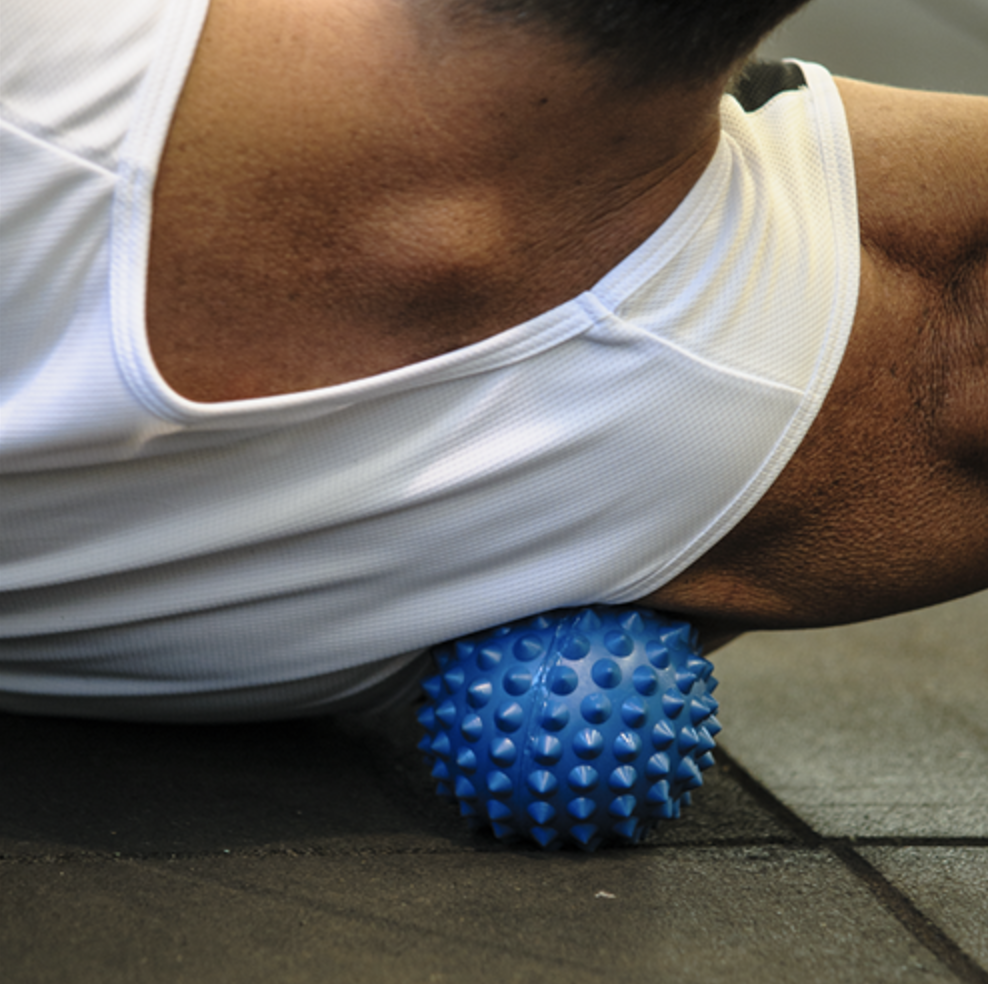
Using a spiky ball on a regular basis is a great way to maintain flexibility, ease muscle tension and optimise performance. Spiky balls are particularly effective at releasing tightness due to myofascial trigger points. These are the knots and contractions that form in response to poor posture and over-use. WHY USE A SPIKY BALL? There are some parts of the body that you can’t quite get to with a foam roller or traditional massage techniques and this is where the spiky ball comes in handy. Spiky balls are firmer and larger than a tennis ball and not quite as...